Disclosure: This post may contain affiliate links. If you purchase through these links, I may earn a small commission at no extra cost to you. I put links to the products I actually use or ones very close to it.
Tired of refilling your chicken water every day? A gravity-fed system keeps water flowing automatically—so your flock always has access to clean, fresh water.
This setup is simple, affordable, and perfect for backyard chickens.
Disclosure: This post may contain affiliate links. If you purchase through these links, I may earn a small commission at no extra cost to you. I put links to the products I actually use or ones very close to it.
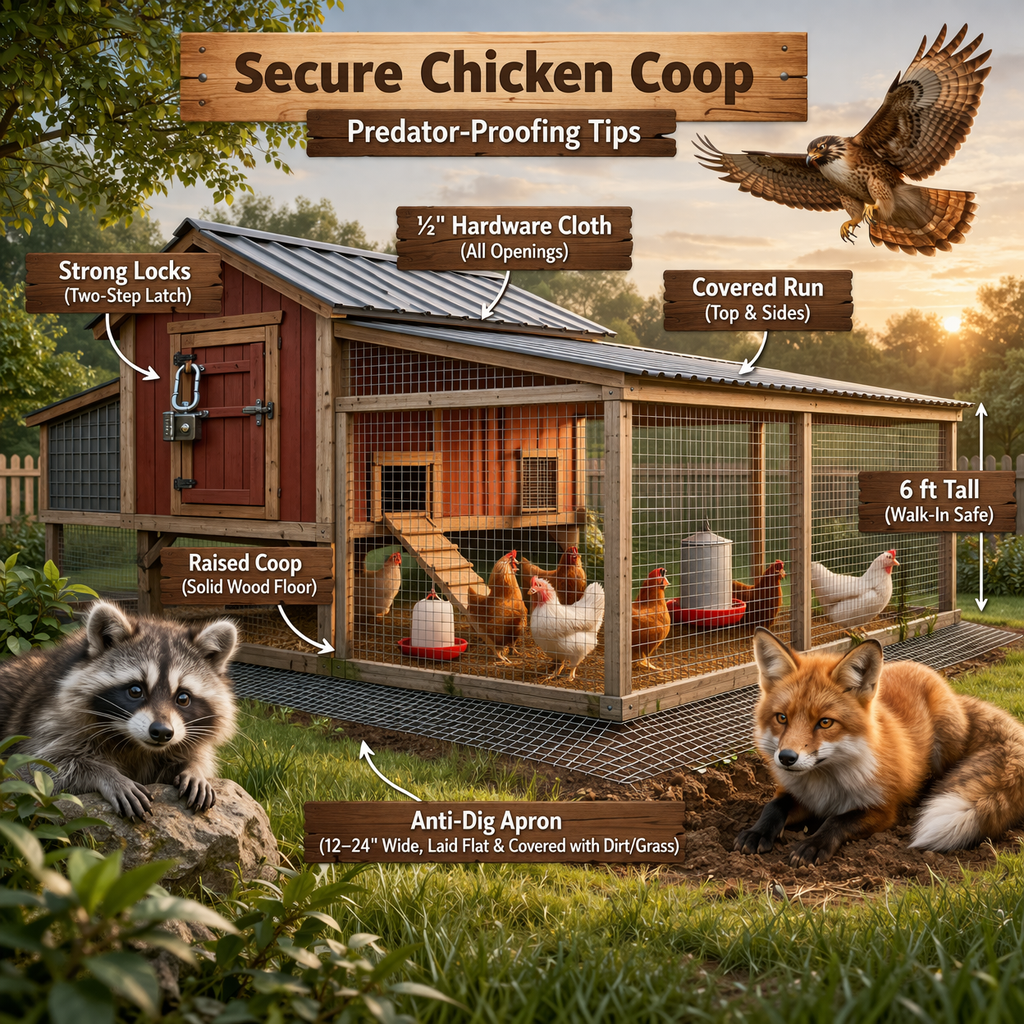
Backyard chickens are a rewarding addition to any home—but they also attract predators. In many parts of North America (especially rural and wooded areas), raccoons, foxes, and hawks are the most common threats. Each predator has different hunting styles, which means protecting your flock requires a layered approach.
This guide walks you through how to secure your coop and run so your chickens stay safe year-round.
Understanding the Threats
Raccoons (the masterminds
Raccoons are the most dangerous backyard predator because they are:
Highly intelligent (can open latches and doors)
Nocturnal hunters
Able to reach through gaps and pull chickens apart
Key risk: Small openings, weak latches, unsecured doors
Foxes (the opportunists)
Foxes are:
Excellent diggers
Fast and stealthy
Active at dawn and dusk
Key risk: Digging under fences or slipping through gaps
Hawks (the aerial hunters)
Hawks rely on:
Daytime attacks from above
Open spaces without cover
Key risk: Uncovered runs or free-ranging birds
Building a Predator-Proof Coop
A secure coop is your first line of defense—especially at night when most attacks happen. Raised coops not only keep floors dry, but they are harder for predators to get in. Install solid wood floors so there is no exposed ground. Make sure to use heavy, multiple stepped locks on any doors. And install ventilation near the roof and make sure to cover it with hardware cloth.
Predator-proofing isn’t about one fix—it’s about layers of protection. A well-secured coop, reinforced run, and consistent routine can reduce losses to nearly zero.
If you’re just starting out, focus on this priority order:
Disclosure: This post may contain affiliate links. If you purchase through these links, I may earn a small commission at no extra cost to you. I put links to the products I actually use or ones very close to it.
When I first got chickens, I thought food, water, and a safe coop were enough. Technically, that’s true—they’ll survive just fine with the basics. But I started noticing things: boredom, pecking, and a kind of restless energy that didn’t sit right with me.
That’s when I realized something important—chickens don’t just need care, they need stimulation. Adding enrichment to my chicken pen completely changed their behavior and made my daily routine more enjoyable too.
Here’s what I’ve learned from experience.
Why Enrichment Matters
Chickens are natural foragers. In the wild (or even free-ranging), they spend most of their day scratching, pecking, exploring, and investigating.
When they’re confined to a pen, that instinct doesn’t go away—it just gets redirected. Without enrichment, that can lead to:
Feather pecking
Bullying
Stress
Reduced egg production
Once I added a few simple enrichment ideas, my flock became calmer, more curious, and honestly, more fun to watch.
It keeps everything feeling “new” without spending extra money.
What Changed After I Added Enrichment
The difference in my flock was noticeable:
Less pecking and conflict
More active and curious behavior
Healthier-looking feathers
Happier, calmer chickens overall
And for me? It made chicken keeping feel less like a chore and more like a shared experience.
Final Thoughts
You don’t need expensive equipment or complicated setups to enrich your chicken pen. Most of what I use is either natural or repurposed from things I already had.
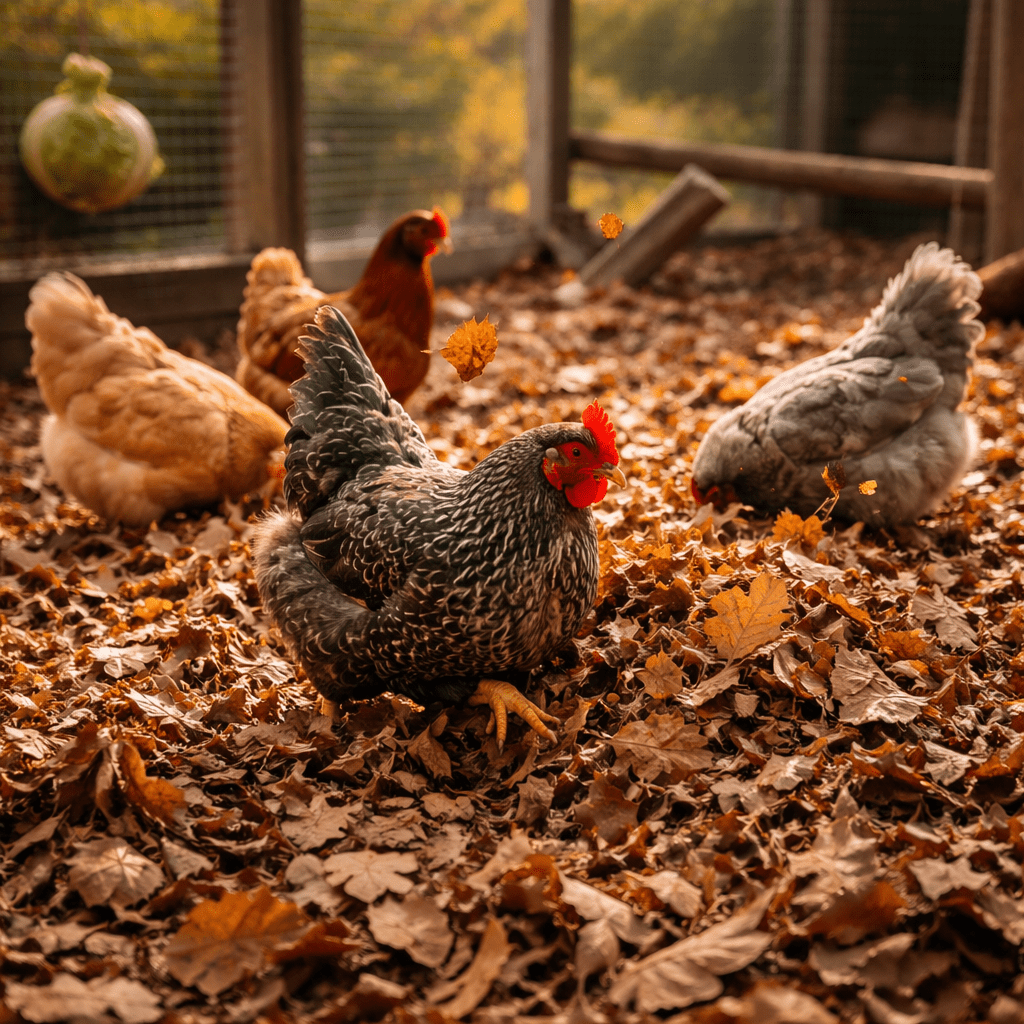
If there’s one thing I’d recommend, it’s this: start small. Hang a cabbage, toss in a pile of leaves, or add a simple perch. Watch how your chickens respond, and build from there.
They’ll show you what they enjoy—and once you see them fully engaged, scratching, pecking, and exploring, you’ll realize enrichment isn’t just a bonus.
Disclosure: This post may contain affiliate links. If you purchase through these links, I may earn a small commission at no extra cost to you. I put links to the products I actually use or ones very close to it.
I didn’t grow up with chickens. In fact, if you had told me a few years ago that I’d be out in my yard soaking up the sun, chatting with a group of hens like they were old friends, I probably would’ve laughed. But here I am—and honestly, raising chickens has been one of the most rewarding (and occasionally chaotic) things I’ve ever done.
The First Days: Excitement and Mild Panic
Bringing home my first flock felt equal parts exciting and overwhelming. They were tiny, fragile, and surprisingly loud for such small creatures. I remember constantly checking on them—Were they warm enough? Eating enough? Drinking enough? Chickens are often described as “easy,” but those first few days taught me that “easy” still requires attention and preparation.
Once they grew out of the brooder and into the coop, things started to feel more manageable. That’s when I really began to enjoy them—not just as animals I was responsible for, but as quirky little personalities.
They All Have Personalities (Yes, Really)
One thing that surprised me is how different each chicken is. Some are bold and curious, practically running up to me when I step outside. Others hang back, cautious and observant. I’ve got one hen who insists on inspecting everything I do, and another who acts like she’s permanently offended by my existence.
Spending time with them became less of a chore and more of a daily ritual I actually look forward to.
The Daily Routine
My routine is simple but grounding:
Let them out in the morning
Refresh food and water
Collect eggs (my favorite part)
Lock them up safely at night
It doesn’t take a ton of time, but it does require consistency. Chickens depend on you showing up every day—rain, snow, or when you’d rather just stay inside.
The Not-So-Perfect Parts
I won’t sugarcoat it—there are challenges.
There’s the mess (they will kick bedding everywhere), the occasional health scare, and the constant need to keep predators out. I’ve had moments of frustration, especially when something goes wrong and I have to figure it out quickly.
But even on the hard days, the good tends to outweigh the bad.
What Makes It Easier (Things I Wish I Knew Earlier)
If you’re thinking about getting chickens, there are a few things that have made my life so much easier:
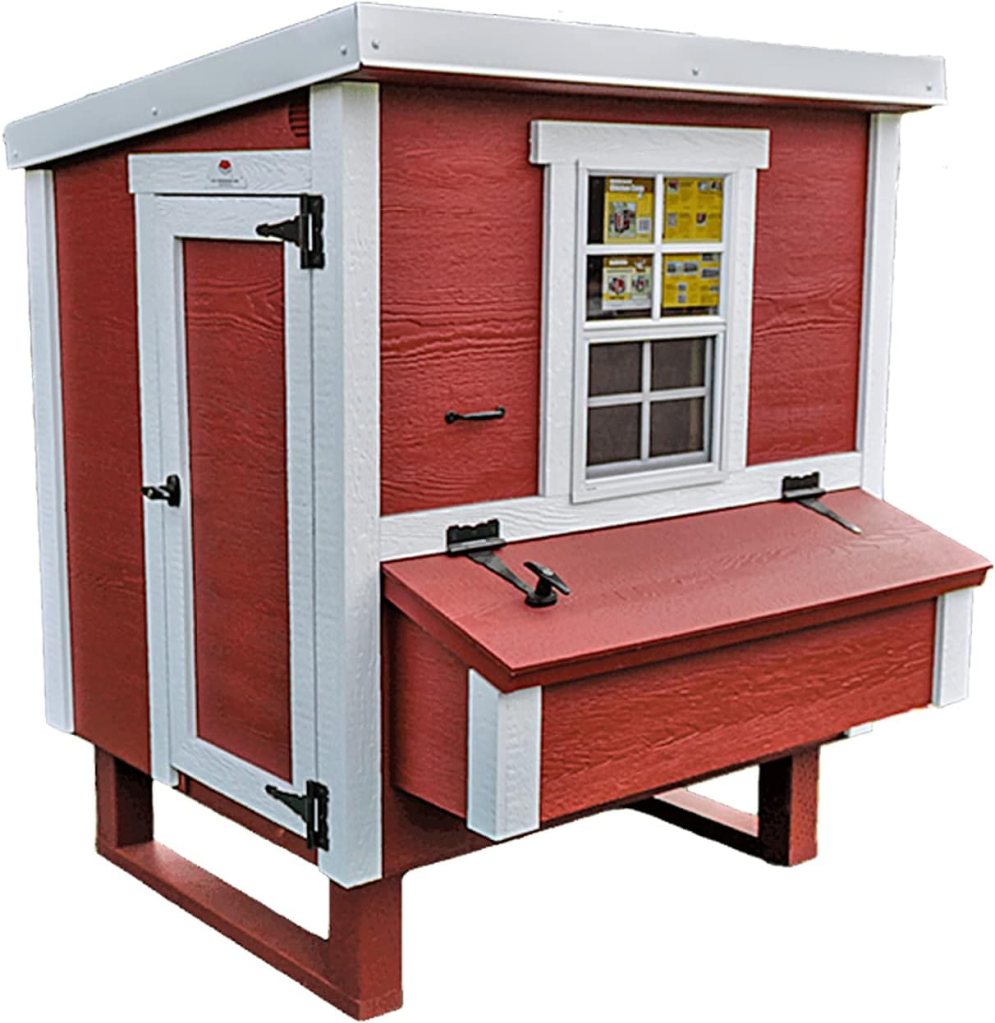
1. A Good Coop Setup Investing in a solid coop with proper ventilation, easy cleaning access, and secure latches is huge. It saves time and gives peace of mind, especially at night. These are my favorite nesting pads that help keep the nesting boxes clean and I use these herbs to help them smelling fresh.
2. Automatic Chicken Door This was a game changer for me. It opens in the morning and closes at dusk, so I don’t have to rush home every evening to lock them in.
3. Large Waterer and Feeder Bigger capacity means fewer refills. Especially helpful during busy weeks or bad weather. I made my feeder from a large plastic tote that I added these feeder ports to.
4. Deep Litter Method (Optional but Helpful) Instead of constantly cleaning out the coop, I add layers of bedding over time. It reduces odor and cuts down on maintenance.
5. A Simple Egg Basket (and a Habit) Seems small, but having a dedicated basket and checking at the same time daily keeps eggs clean and prevents breakage.
6. Predator-Proofing Everything Hardware cloth (not chicken wire) was something I learned about after the fact. If I could redo one thing, I’d start with better protection from day one. I’ve added these predator lights to the outside of the pens and I have this hawk kite flying in my yard.
The Unexpected Joy
There’s something incredibly satisfying about collecting eggs you watched your chickens lay. It sounds simple, but it never really gets old. It’s a small, daily reminder that you’re part of something tangible and real.
Chickens also have a way of slowing you down. You start noticing little things—how they scratch the ground, how they settle in at night, how they react to weather changes. It pulls you out of your head and into the moment.
Would I Do It Again?
Absolutely.
Even with the learning curve, the mess, and the occasional stress, raising chickens has added something meaningful to my daily life. It’s a mix of responsibility, routine, and unexpected joy.
If you’re on the fence, I’d say this: do your research, start small, and be ready to learn as you go. Chickens are forgiving teachers—and pretty entertaining ones, too.
And don’t be surprised if you end up naming them all.