Disclosure: This post may contain affiliate links. If you purchase through these links, I may earn a small commission at no extra cost to you. I put links to the products I actually use or ones very close to it.
Tired of refilling your chicken water every day? A gravity-fed system keeps water flowing automatically—so your flock always has access to clean, fresh water.
This setup is simple, affordable, and perfect for backyard chickens.
Disclosure: This post may contain affiliate links. If you purchase through these links, I may earn a small commission at no extra cost to you. I put links to the products I actually use or ones very close to it.
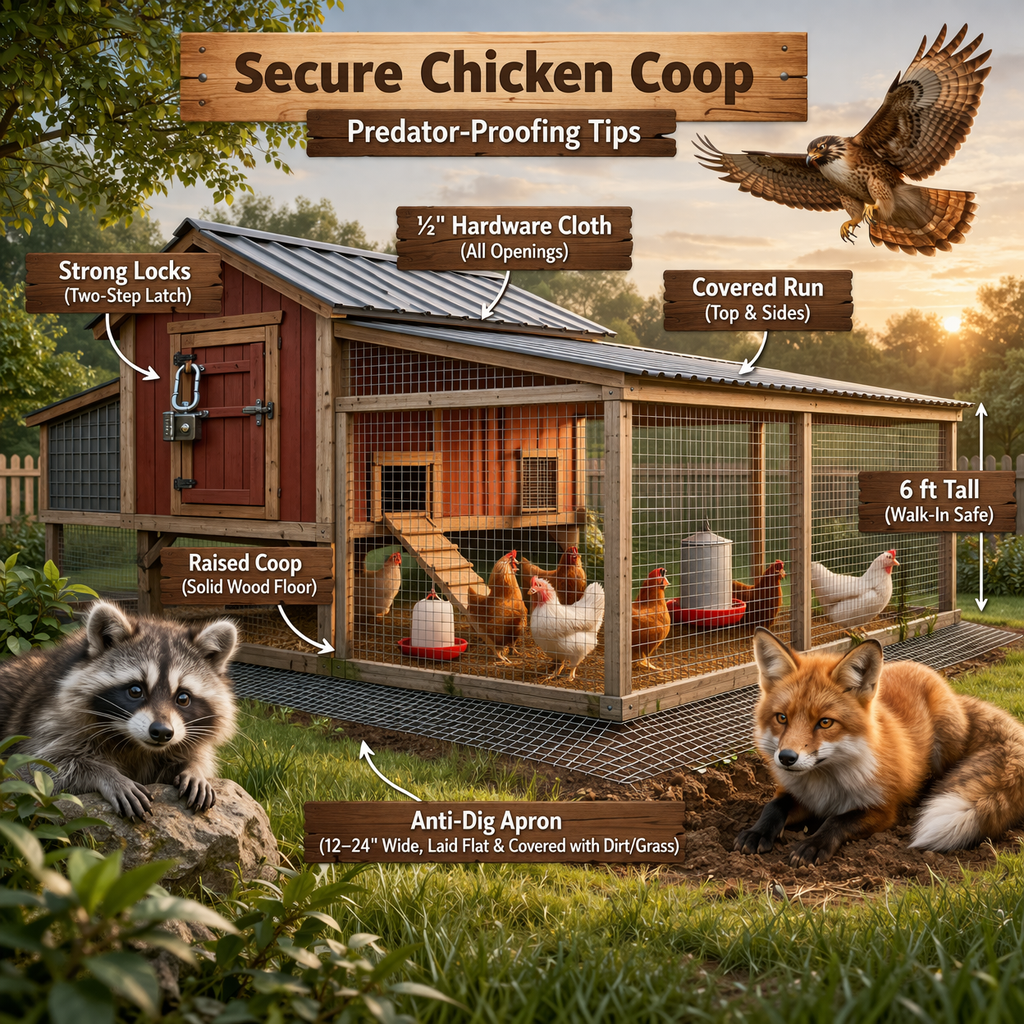
Backyard chickens are a rewarding addition to any home—but they also attract predators. In many parts of North America (especially rural and wooded areas), raccoons, foxes, and hawks are the most common threats. Each predator has different hunting styles, which means protecting your flock requires a layered approach.
This guide walks you through how to secure your coop and run so your chickens stay safe year-round.
Understanding the Threats
Raccoons (the masterminds
Raccoons are the most dangerous backyard predator because they are:
Highly intelligent (can open latches and doors)
Nocturnal hunters
Able to reach through gaps and pull chickens apart
Key risk: Small openings, weak latches, unsecured doors
Foxes (the opportunists)
Foxes are:
Excellent diggers
Fast and stealthy
Active at dawn and dusk
Key risk: Digging under fences or slipping through gaps
Hawks (the aerial hunters)
Hawks rely on:
Daytime attacks from above
Open spaces without cover
Key risk: Uncovered runs or free-ranging birds
Building a Predator-Proof Coop
A secure coop is your first line of defense—especially at night when most attacks happen. Raised coops not only keep floors dry, but they are harder for predators to get in. Install solid wood floors so there is no exposed ground. Make sure to use heavy, multiple stepped locks on any doors. And install ventilation near the roof and make sure to cover it with hardware cloth.
Predator-proofing isn’t about one fix—it’s about layers of protection. A well-secured coop, reinforced run, and consistent routine can reduce losses to nearly zero.
If you’re just starting out, focus on this priority order:
Disclosure: This post may contain affiliate links. If you purchase through these links, I may earn a small commission at no extra cost to you. I put links to the products I actually use or ones very close to it.
When I first got chickens, I thought food, water, and a safe coop were enough. Technically, that’s true—they’ll survive just fine with the basics. But I started noticing things: boredom, pecking, and a kind of restless energy that didn’t sit right with me.
That’s when I realized something important—chickens don’t just need care, they need stimulation. Adding enrichment to my chicken pen completely changed their behavior and made my daily routine more enjoyable too.
Here’s what I’ve learned from experience.
Why Enrichment Matters
Chickens are natural foragers. In the wild (or even free-ranging), they spend most of their day scratching, pecking, exploring, and investigating.
When they’re confined to a pen, that instinct doesn’t go away—it just gets redirected. Without enrichment, that can lead to:
Feather pecking
Bullying
Stress
Reduced egg production
Once I added a few simple enrichment ideas, my flock became calmer, more curious, and honestly, more fun to watch.
It keeps everything feeling “new” without spending extra money.
What Changed After I Added Enrichment
The difference in my flock was noticeable:
Less pecking and conflict
More active and curious behavior
Healthier-looking feathers
Happier, calmer chickens overall
And for me? It made chicken keeping feel less like a chore and more like a shared experience.
Final Thoughts
You don’t need expensive equipment or complicated setups to enrich your chicken pen. Most of what I use is either natural or repurposed from things I already had.
If there’s one thing I’d recommend, it’s this: start small. Hang a cabbage, toss in a pile of leaves, or add a simple perch. Watch how your chickens respond, and build from there.
They’ll show you what they enjoy—and once you see them fully engaged, scratching, pecking, and exploring, you’ll realize enrichment isn’t just a bonus.
Disclosure: This post may contain affiliate links. If you purchase through these links, I may earn a small commission at no extra cost to you. I put links to the products I actually use or ones very close to it.
I didn’t grow up with chickens. In fact, if you had told me a few years ago that I’d be out in my yard soaking up the sun, chatting with a group of hens like they were old friends, I probably would’ve laughed. But here I am—and honestly, raising chickens has been one of the most rewarding (and occasionally chaotic) things I’ve ever done.
The First Days: Excitement and Mild Panic
Bringing home my first flock felt equal parts exciting and overwhelming. They were tiny, fragile, and surprisingly loud for such small creatures. I remember constantly checking on them—Were they warm enough? Eating enough? Drinking enough? Chickens are often described as “easy,” but those first few days taught me that “easy” still requires attention and preparation.
Once they grew out of the brooder and into the coop, things started to feel more manageable. That’s when I really began to enjoy them—not just as animals I was responsible for, but as quirky little personalities.
They All Have Personalities (Yes, Really)
One thing that surprised me is how different each chicken is. Some are bold and curious, practically running up to me when I step outside. Others hang back, cautious and observant. I’ve got one hen who insists on inspecting everything I do, and another who acts like she’s permanently offended by my existence.
Spending time with them became less of a chore and more of a daily ritual I actually look forward to.
The Daily Routine
My routine is simple but grounding:
Let them out in the morning
Refresh food and water
Collect eggs (my favorite part)
Lock them up safely at night
It doesn’t take a ton of time, but it does require consistency. Chickens depend on you showing up every day—rain, snow, or when you’d rather just stay inside.
The Not-So-Perfect Parts
I won’t sugarcoat it—there are challenges.
There’s the mess (they will kick bedding everywhere), the occasional health scare, and the constant need to keep predators out. I’ve had moments of frustration, especially when something goes wrong and I have to figure it out quickly.
But even on the hard days, the good tends to outweigh the bad.
What Makes It Easier (Things I Wish I Knew Earlier)
If you’re thinking about getting chickens, there are a few things that have made my life so much easier:
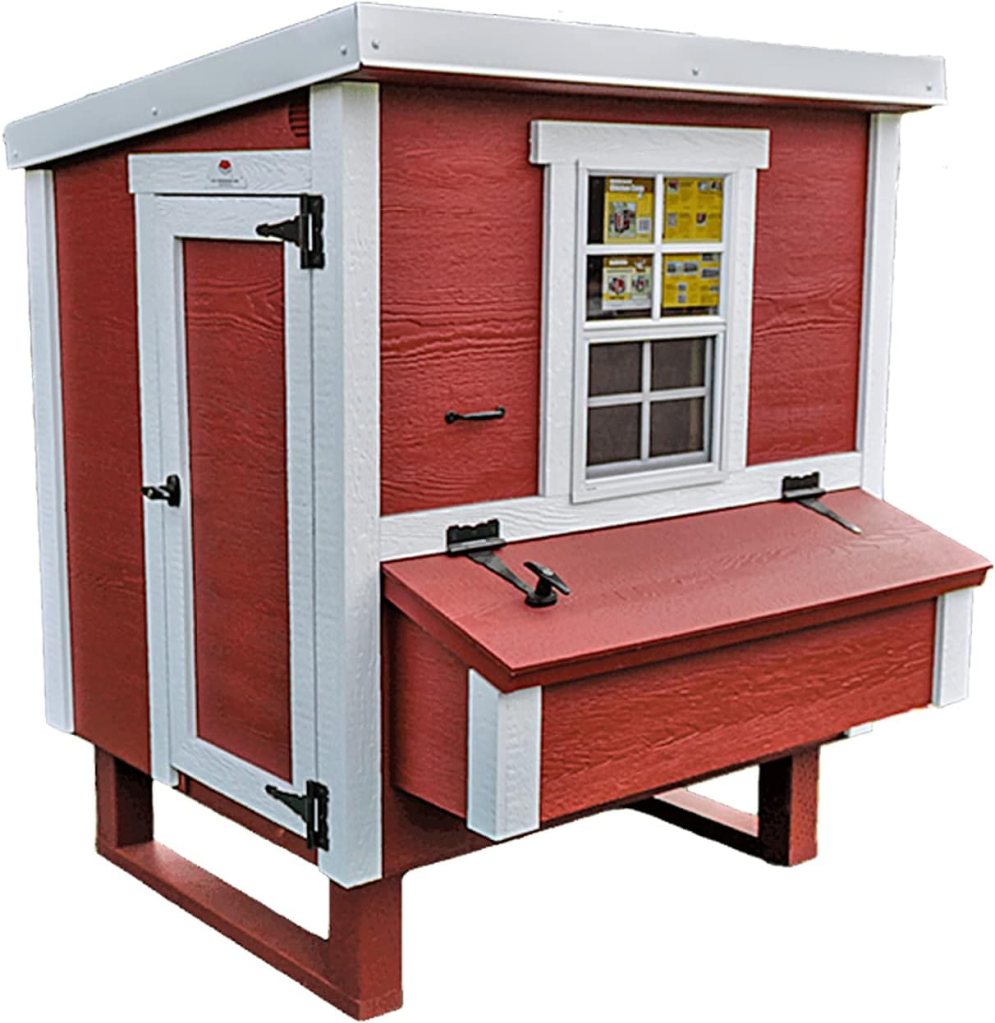
1. A Good Coop Setup Investing in a solid coop with proper ventilation, easy cleaning access, and secure latches is huge. It saves time and gives peace of mind, especially at night. These are my favorite nesting pads that help keep the nesting boxes clean and I use these herbs to help them smelling fresh.
2. Automatic Chicken Door This was a game changer for me. It opens in the morning and closes at dusk, so I don’t have to rush home every evening to lock them in.
3. Large Waterer and Feeder Bigger capacity means fewer refills. Especially helpful during busy weeks or bad weather. I made my feeder from a large plastic tote that I added these feeder ports to.
4. Deep Litter Method (Optional but Helpful) Instead of constantly cleaning out the coop, I add layers of bedding over time. It reduces odor and cuts down on maintenance.
5. A Simple Egg Basket (and a Habit) Seems small, but having a dedicated basket and checking at the same time daily keeps eggs clean and prevents breakage.
6. Predator-Proofing Everything Hardware cloth (not chicken wire) was something I learned about after the fact. If I could redo one thing, I’d start with better protection from day one. I’ve added these predator lights to the outside of the pens and I have this hawk kite flying in my yard.
The Unexpected Joy
There’s something incredibly satisfying about collecting eggs you watched your chickens lay. It sounds simple, but it never really gets old. It’s a small, daily reminder that you’re part of something tangible and real.
Chickens also have a way of slowing you down. You start noticing little things—how they scratch the ground, how they settle in at night, how they react to weather changes. It pulls you out of your head and into the moment.
Would I Do It Again?
Absolutely.
Even with the learning curve, the mess, and the occasional stress, raising chickens has added something meaningful to my daily life. It’s a mix of responsibility, routine, and unexpected joy.
If you’re on the fence, I’d say this: do your research, start small, and be ready to learn as you go. Chickens are forgiving teachers—and pretty entertaining ones, too.
And don’t be surprised if you end up naming them all.
Disclosure: This post may contain affiliate links. If you purchase through these links, I may earn a small commission at no extra cost to you.
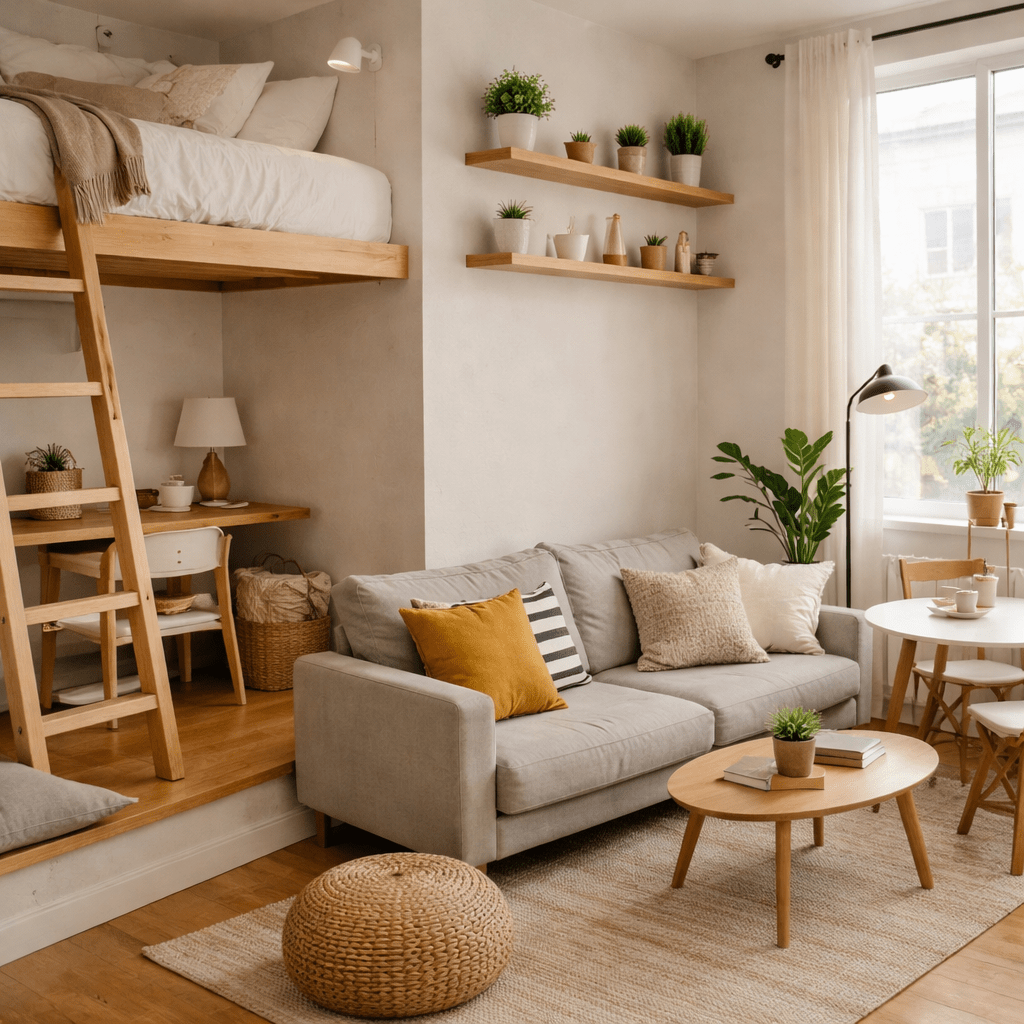
Living in a small apartment doesn’t mean sacrificing style or comfort. With the right decorating strategies, even the tiniest space can feel open, functional, and beautifully designed. The key is choosing decor and furniture that make the most of every square inch.
From clever storage solutions to visual tricks that make rooms feel bigger, here are 10 small apartment decor ideas that maximize space while keeping your home stylish and cozy.
1. Use Vertical Storage
When floor space is limited, look up. Using your walls for storage instantly frees up valuable space and keeps your apartment organized.
Properly sized furniture keeps the room functional without feeling cramped.
Final Thoughts
Decorating a small apartment is all about smart design choices. By maximizing vertical space, choosing multifunctional furniture, and using light colors and reflective surfaces, you can make even a tiny apartment feel spacious and inviting.
With a few thoughtful decor ideas, your small apartment can feel stylish, comfortable, and perfectly organized.
Disclosure: This post may contain affiliate links. If you purchase through these links, I may earn a small commission at no extra cost to you.
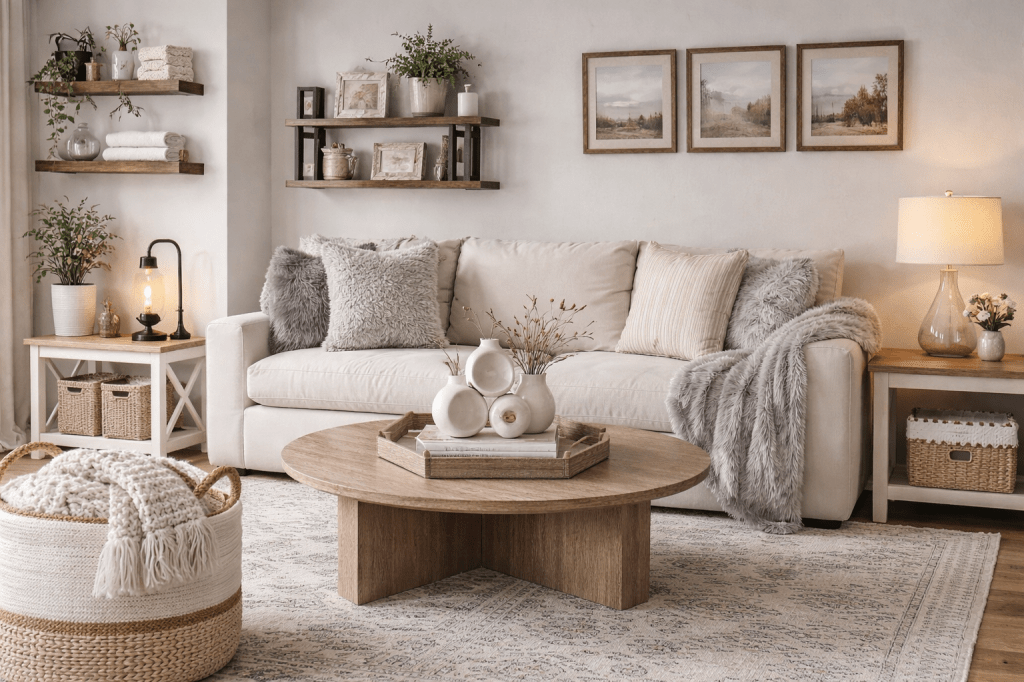
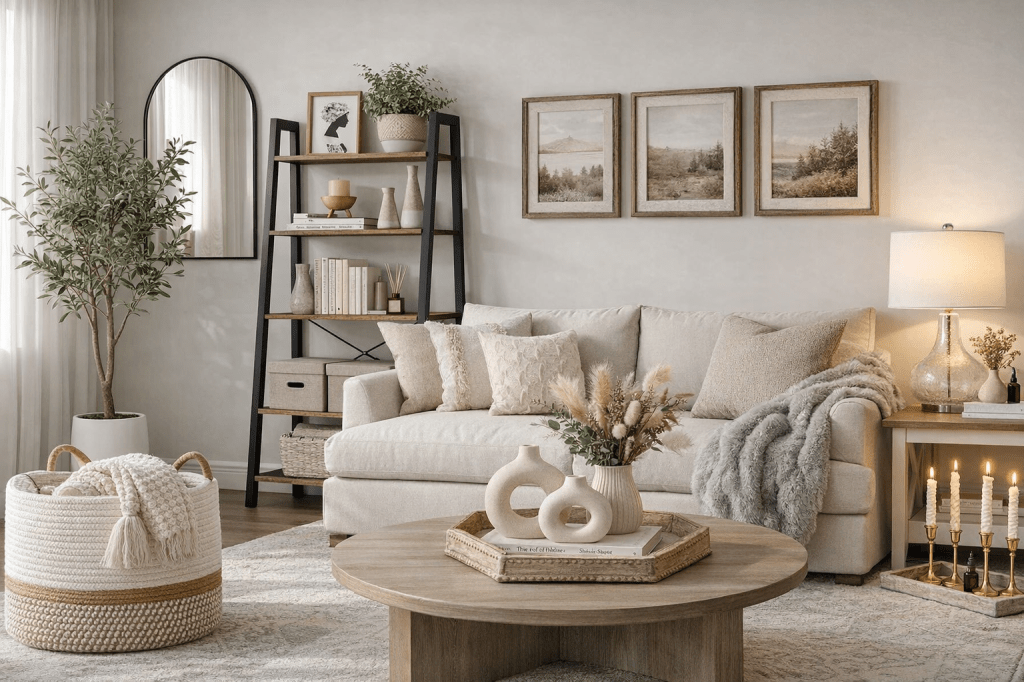
Creating a cozy living room doesn’t require a big budget. With the right textures, lighting, and decor pieces, you can transform your space into a warm and inviting retreat without spending a fortune.
From soft blankets and warm lighting to simple styling tricks, these affordable ideas will help you create a cozy living room you’ll love spending time in.
Here are 10 cozy living room ideas on a budget that instantly make your home feel more comfortable and stylish.
1. Add Soft Throw Blankets
One of the easiest ways to make a living room feel cozy is by adding soft throw blankets. Drape a blanket over the arm of your sofa or layer it across a chair to instantly create a warm, inviting look.
Budget tip: Look for textured blankets like knit, faux fur, or fleece for extra coziness.
2. Layer Throw Pillows
Throw pillows add comfort and style to your living room without a big investment
Mix and match:
neutral tones
textured fabrics
different sizes
This layering technique makes your sofa feel fuller and more inviting.
3. Use Warm Lighting
Lighting plays a huge role in creating a cozy atmosphere.
Instead of relying only on overhead lighting, add:
Sometimes creating a cozy space doesn’t cost anything at all.
Try rearranging furniture to create a more intimate seating area.
Tips:
move furniture closer together
angle chairs toward the sofa
create conversation spaces
This makes the room feel warmer and more welcoming.
Final Thoughts
You don’t need a large budget to create a cozy living room. Simple changes like adding soft textures, warm lighting, and natural decor can completely transform the atmosphere of your space.
With a few affordable updates, your living room can become a comfortable and inviting place where you love to relax.
Disclosure: This post may contain affiliate links. If you purchase through these links, I may earn a small commission at no extra cost to you.
Decorating your home doesn’t have to mean spending thousands of dollars at designer stores. In fact, some of the most stylish, high-end-looking pieces can be found on Amazon for a fraction of the price.
From elegant mirrors to cozy textiles and minimalist accents, the right decor pieces can instantly elevate your space. Even small touches like vases, lighting, and throw pillows can make your home feel more curated and luxurious.
If you’re looking to upgrade your space on a budget, here are 15 Amazon home decor finds that look expensive but are surprisingly affordable.
1. Arched Full-Length Mirror
A tall arched mirror instantly adds elegance to any room. Place it in a bedroom, entryway, or living room to create the illusion of more space while reflecting natural light.
Why it looks expensive: The curved frame mimics high-end designer mirrors often seen in luxury interiors.
Styling tip: Group two or three vases together for a designer look.
3. Faux Olive Tree
A faux olive tree brings natural texture and warmth to a room without the maintenance of a real plant.
Large statement plants are often used by interior designers to fill empty corners and create visual balance in a room.
4. Floating Wood Shelves
Floating shelves add both storage and style. Use them to display books, candles, framed photos, or small plants. They’re one of the easiest ways to make a wall feel styled instead of empty.
5. Decorative Coffee Table Books
Stack decorative books on a coffee table or console for a sophisticated look. Pair them with a candle or small tray to create a curated vignette.
6. Linen Throw Pillow Covers
High-quality pillow covers instantly upgrade a sofa or bed.
Look for:
neutral tones
textured fabrics
subtle patterns
Luxury textiles like velvet or linen help create a refined look without the designer price tag.
7. Woven Storage Baskets
Stylish storage is a must for a clean, organized home. Woven baskets can store blankets, toys, or extra pillows while adding natural texture. They’re both practical and decorative.
8. Gold Candle Holders
Elegant candlesticks instantly create a warm and upscale atmosphere. Place them on a dining table, mantel, or coffee table for a soft glow.
9. Abstract Wall Art Prints
Minimalist wall art adds personality to your home without overwhelming the space. A simple set of neutral abstract prints above a sofa or bed creates a gallery-style look.
10. Marble Serving Tray
A marble tray is a simple way to elevate everyday decor.
Soft lighting makes a home feel cozy and luxurious. Designer-style lamps can transform the entire mood of a room while doubling as a statement piece.
12. Pampas Grass Decor
Pampas grass has become a staple in modern boho and minimalist homes. A simple ceramic vase filled with pampas instantly creates a relaxed, designer-inspired look.
13. Velvet Throw Blanket
A soft velvet or textured throw blanket draped over a sofa adds warmth and luxury. Bonus: it’s perfect for cozy movie nights.
14. Decorative Tray for Coffee Tables
Trays help organize decor and make surfaces look styled rather than cluttered. Use one to group candles, books, and small decorative objects.
15. Rustic Wooden Picture Frames
Simple wooden frames can make photos look like art. Create a gallery wall or place framed prints on shelves for a personal touch.
Final Thoughts
You don’t need a huge budget to create a beautiful home. Small decor pieces—like mirrors, vases, pillows, and lighting—can dramatically transform a space and make it feel thoughtfully designed.
Amazon is full of hidden gems that deliver a high-end aesthetic at affordable prices, making it easier than ever to create a stylish home without overspending.Whether you’re decorating your first apartment or refreshing your living room, these Amazon home decor finds prove that luxury style can absolutely be budget-friendly.


 Hearth & Willow Co